


The Thanda Foundation Trust, founded in 2005 by Christin and Dan Olofsson and chaired by Pierre Delvaux since its inception, is dedicated to supporting rural communities around Thanda Safari in KwaZulu-Natal. The Trust focuses on both socio-economic development and wildlife conservation. Over the past two decades, our work has steadily expanded, creating lasting impact through social initiatives, employment and education programmes, while also leading efforts to protect endangered species. Among other initiatives, we are a founding member of the anti-poaching initiative Project Rhino.
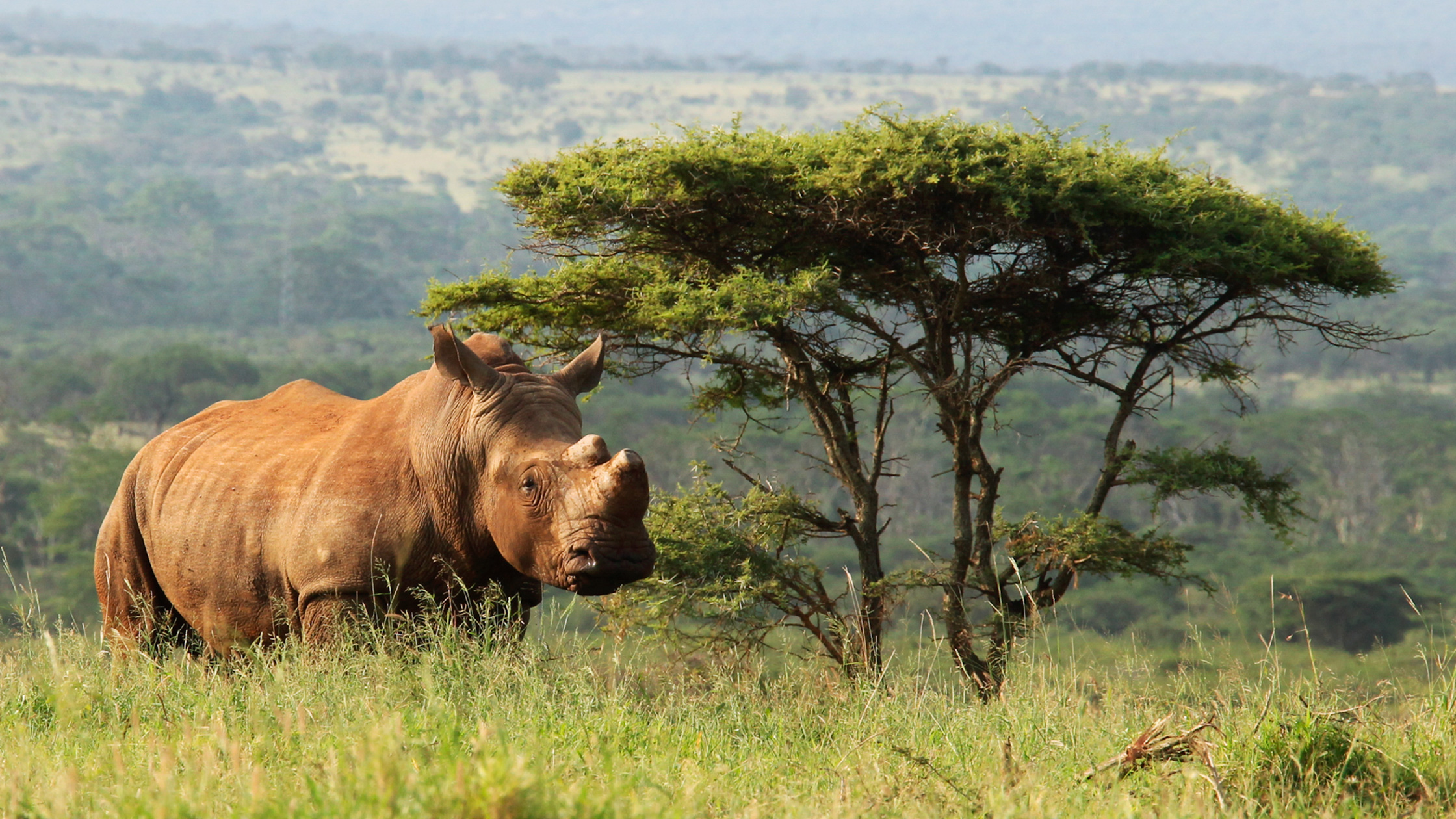
From the start, the Trust has sought to empower Thanda Safari’s three neighbouring tribal communities while addressing the national unemployment crisis. Our initiatives include fundraising, youth development, and awareness campaigns for conservation projects such as Project Rhino, which brings together landowners and NGOs to safeguard South Africa’s endangered rhino population.
In parallel, we have pioneered programmes like Football for Life, encouraging young girls to stay in school and build resilience, and the Thanda Lions Football Team, offering unemployed youth structure, life skills, and confidence through sport.
Education remains at the heart of our community focus. Our crèches in Esibhojeni and Mandlakazi meet urgent early childhood development needs, with dedicated teachers caring for children, preparing them for school, and enabling parents to work.
As we reflect on our 20-year journey, the story is one of steady, organic growth – rooted in community, enriched by partnerships, and sustained by a shared commitment to people, wildlife, and the future.
Over the past year, the Thanda Foundation Trust has seen tangible results, demonstrating the value of long-term support in education, conservation, and community. Our cheetah breeding programme welcomed four new cubs from a female now on her fourth litter at Thanda, providing hope for a critically endangered species. Our education initiatives also continue to grow: Inkanyiso Crèche in Esibhojeni now cares for 50 children aged two to four, while Masibambisane Crèche in Mandlakazi has expanded to 26 children.